Independent supplement ratingsUS and Canada · Updated weekly

A ratings desk for a category that has spent thirty years grading its own homework.
A ratings desk for a category that has spent thirty years grading its own homework.
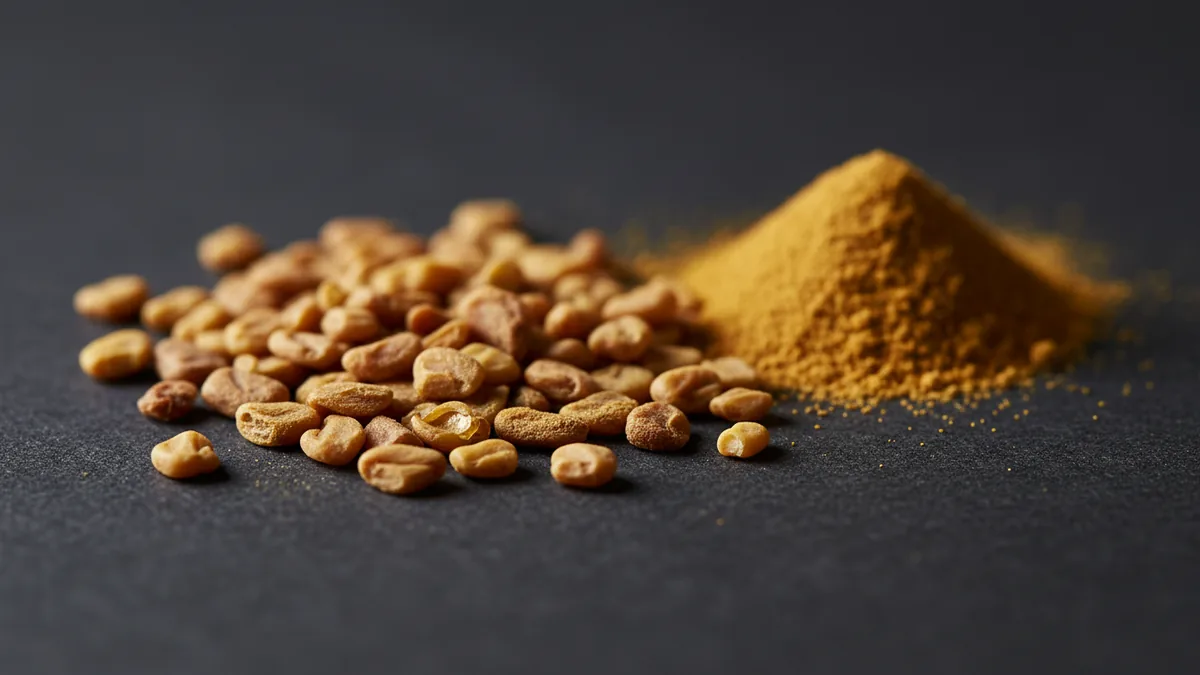
Fenugreek turns up across the testosterone and men's-health categories, usually as a standardized extract like Testofen. The most consistent signal in the research is a small effect on self-reported libido; the evidence that it raises testosterone is mixed and modest at best.
As with tongkat ali, the doses and standardization are often hidden inside proprietary blends, so you frequently can't tell whether a product contains a studied amount at all.
Not junk, but not a needle-mover — a supporting-cast ingredient whose main honest use is a mild libido effect, not a hormonal one. Research on PubMed →
The evidence for that specific claim is mixed and small. What comes up more consistently across the trials is a modest effect on self-reported libido — a different thing, sold as if it were the same thing. Buying fenugreek for a hormonal effect means buying the weaker half of its own research.
A branded, standardized fenugreek seed extract, and the form most of the human trials used. The brand name matters only in that it tells you the active fraction was measured. Plain fenugreek powder at the same milligram figure is not the same product.
Around 300–600 mg a day of standardized extract. That number is easy to check and routinely hidden: fenugreek is a favourite of proprietary blends, where the label prints the ingredient and withholds the amount. See how that trick works in our guide to reading a label.
Reviewed by the NFS editorial team · Educational only — not medical advice.