Independent supplement ratingsUS and Canada · Updated weekly

A ratings desk for a category that has spent thirty years grading its own homework.
A ratings desk for a category that has spent thirty years grading its own homework.
The reference material: how to read a label, what the testing seals mean, how the forms differ. Updated, not dated.

The five lines that tell you whether a product is worth buying — and the one that hides the truth.

NSF, Informed Sport, USP: what the seals mean, what they don't, and when to care.
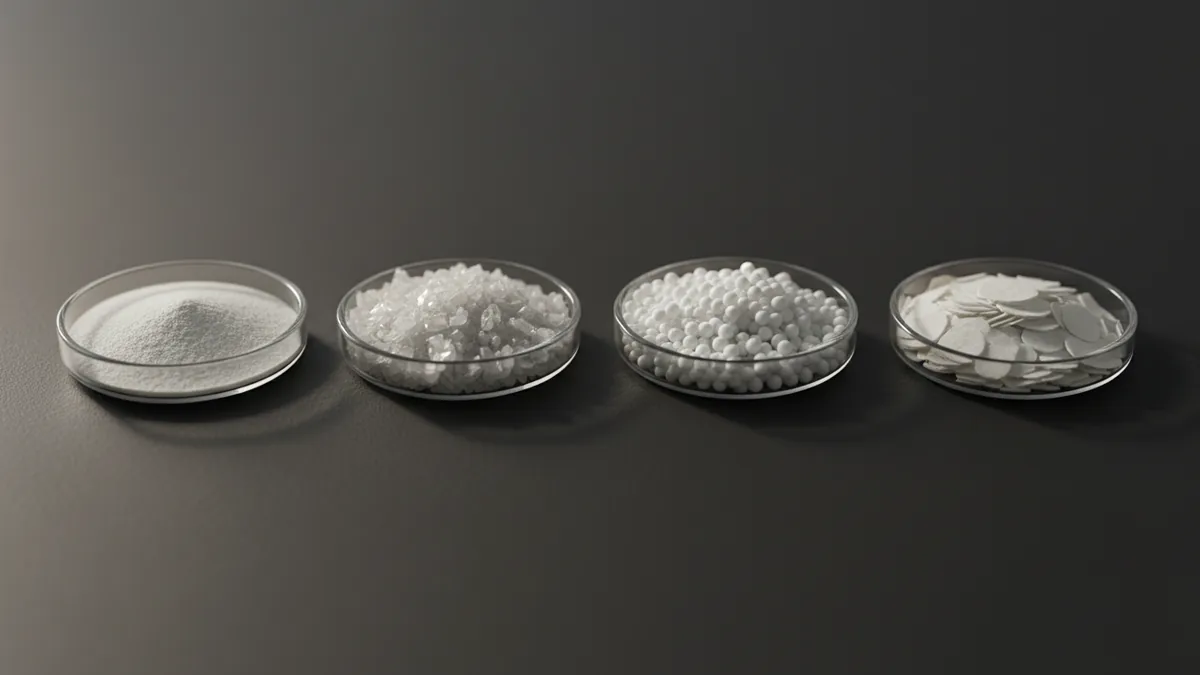
Glycinate, citrate, oxide, threonate — which form for sleep, cramps or focus, and which to skip.
Guides answer the questions that sit underneath every individual product decision. How to read a Supplement Facts panel without being misled by compound weight. What a third-party seal does and does not certify. Why two magnesium products with the same number on the front can deliver very different amounts of magnesium.
They are written to stay accurate rather than to be timely, and they get updated in place when something changes — no new date on top of old text.
How to read a supplement label covers the mechanics: serving size versus servings per container, elemental versus compound dose, proprietary blends, and the "other ingredients" line that occasionally matters more than the headline one.
Third-party testing, explained is the one most buyers get wrong. A seal verifies that the label is honest about what is in the bottle. It says nothing at all about whether that amount is worth taking — a certified product can be clean, accurate and dosed at a fifth of the research.
Magnesium forms compared works through the absorption question with the arithmetic shown, which is why a well-absorbed 200 mg beats a poorly-absorbed 250 mg.
Dated pieces and evidence write-ups live on the blog; the rankings they support are in ratings.