Independent supplement ratingsUS and Canada · Updated weekly

A ratings desk for a category that has spent thirty years grading its own homework.
A ratings desk for a category that has spent thirty years grading its own homework.
We rate the molecule, not the marketing. Each ingredient gets a plain page: what it does, the dose used in research, and how strong the evidence really is.
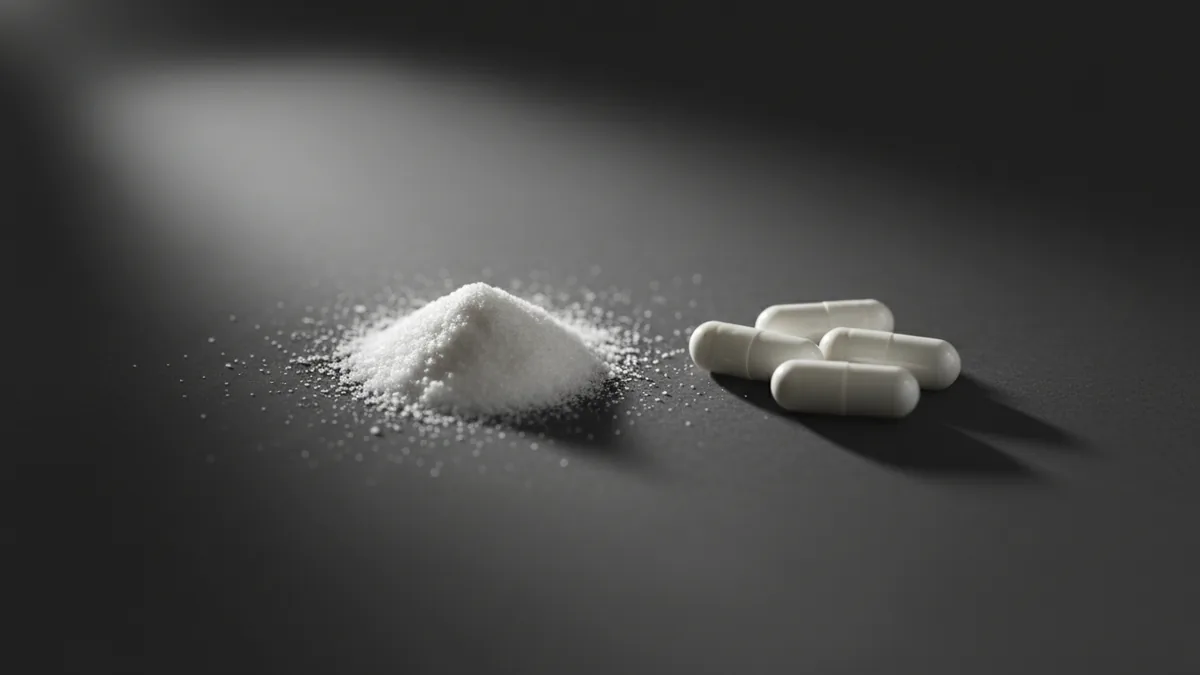
Elemental magnesium bound to the amino acid glycine (a chelate). Well absorbed and gentle on the gut, which is…
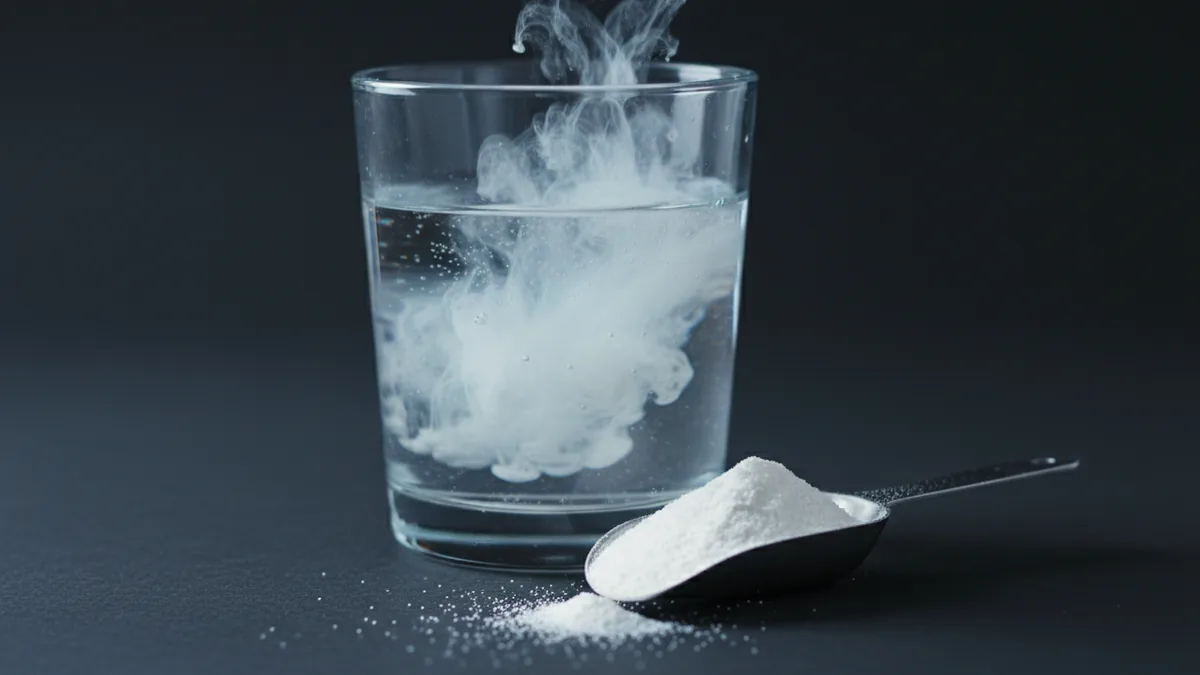
Magnesium bound to citric acid. Well absorbed and cheap, with one quirk: at higher doses it has a mild laxativ…
A newer, pricier form marketed for the brain, on the claim it raises magnesium levels in the central nervous s…
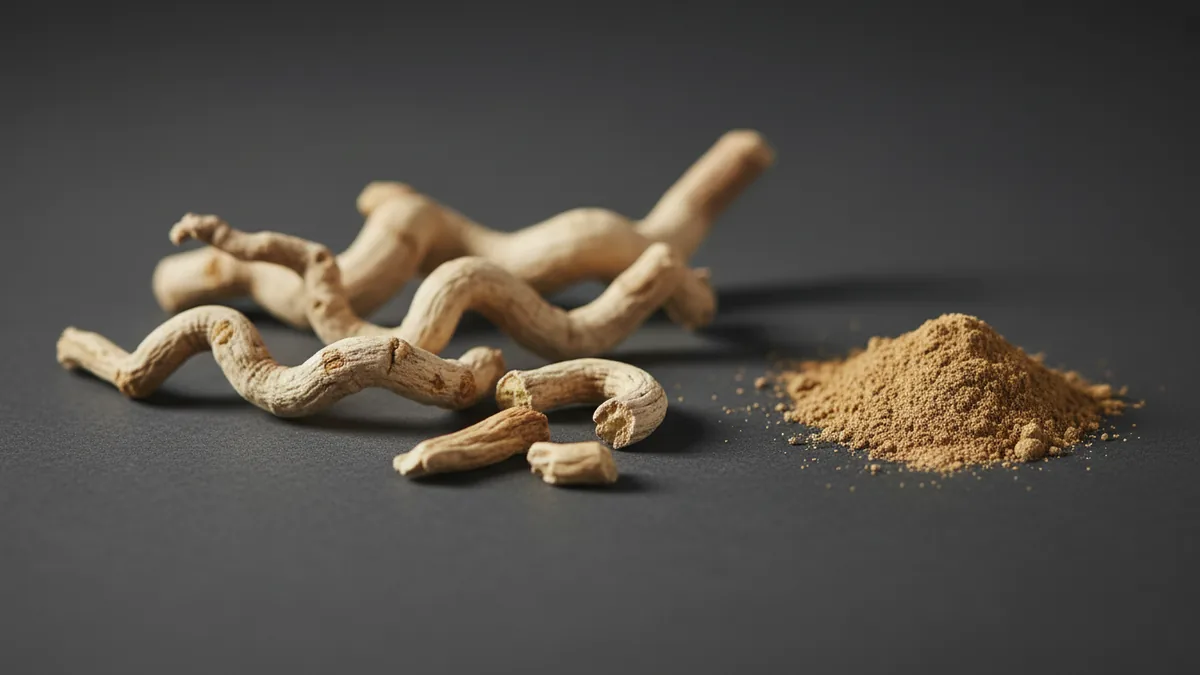
A standardized ashwagandha root extract used in most of the modern stress research. Not interchangeable with r…
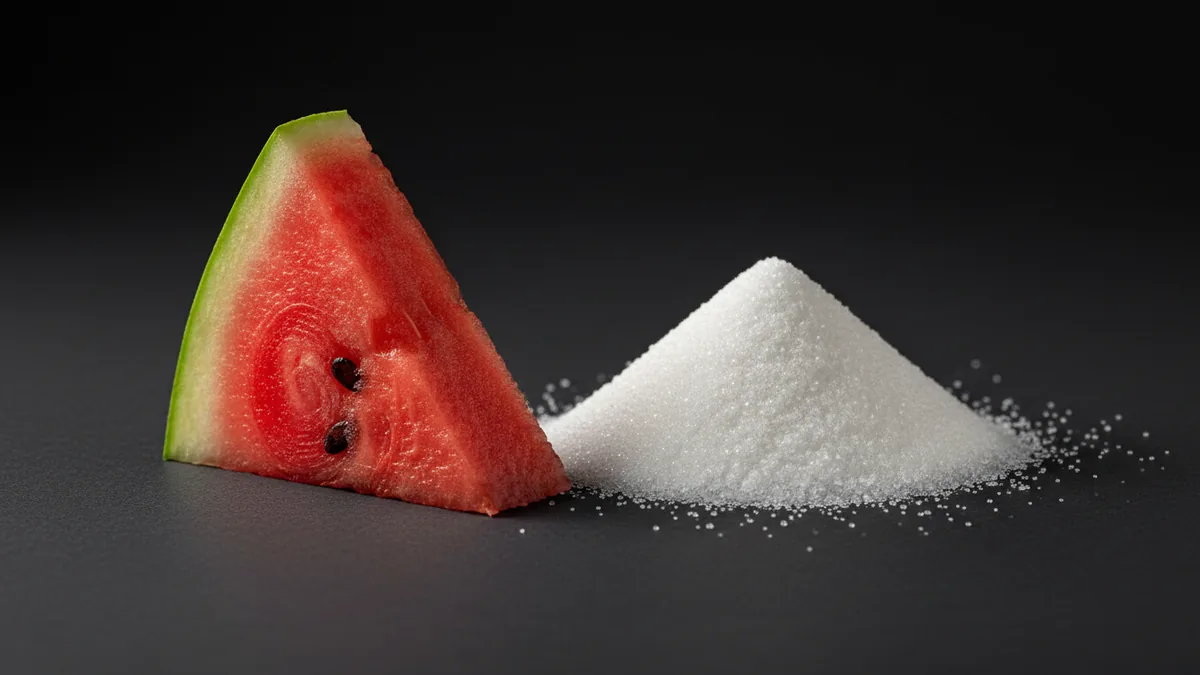
An amino acid the body converts to arginine, raising nitric oxide and blood flow. The one ingredient in the me…
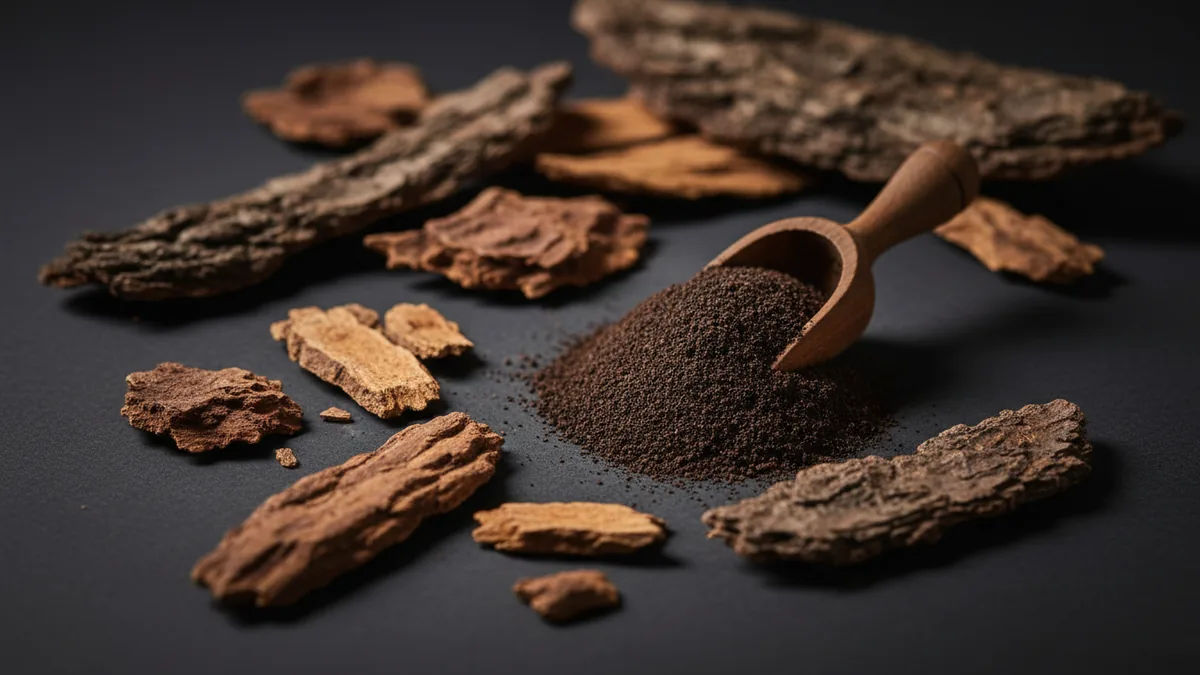
A root extract (Eurycoma longifolia) marketed hard in the testosterone category. Some small human trials, most…
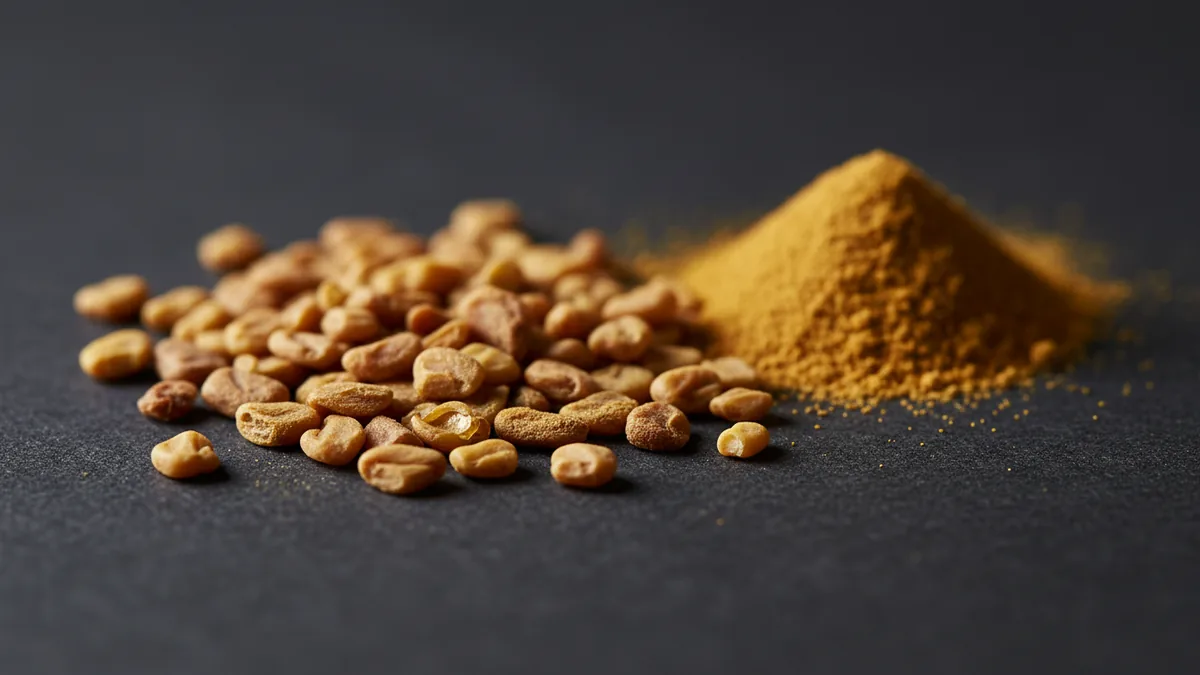
A seed extract (often branded Testofen) used in testosterone and libido formulas. Some trials suggest small ef…
An amino acid that headlines many testosterone boosters. An early study looked promising; better, larger studi…
A trace mineral with small human studies suggesting it can nudge free testosterone and lower a binding protein…
An essential mineral. Correcting a zinc deficiency can restore testosterone toward normal; topping up when you…
A Peruvian root used for libido and energy. Some small trials suggest a modest effect on sexual desire — but n…
The two electrolytes that actually matter for hydration during hard exercise. You lose sodium in sweat in far …
Most supplement labels are a list of names chosen to look impressive. What matters is narrower: does this ingredient have human evidence, at what dose was that evidence produced, and does the product in front of you contain that dose. Each page here answers those three questions for one ingredient and nothing else.
The grade describes the strength of the human research, not how good the ingredient sounds. An A means repeated randomised trials in people, pointing the same way. A B means real trials with limits — small samples, short durations, or results that only appear in people who were deficient to begin with. A C means the human evidence is thin, mixed, or mostly funded by whoever sells it. Nothing here is graded on mechanism alone; a plausible pathway in a petri dish is not a result.
Almost every disappointing supplement is disappointing for the same reason. The ingredient is real, the research is real, and the product contains a fifth of what the research used. KSM-66 ashwagandha is studied at 300–600 mg; plenty of products list it proudly at 50. Citrulline shows a blood-flow effect from around 3,000 mg; a "nitric oxide blend" may hold 300.
Every ingredient page states the studied range, so you can hold a label up against it. To run that comparison on a specific product, use the Label Dose Checker, and to see which products in a category clear the bar, start from the rankings.