Independent supplement ratingsUS and Canada · Updated weekly

A ratings desk for a category that has spent thirty years grading its own homework.
A ratings desk for a category that has spent thirty years grading its own homework.
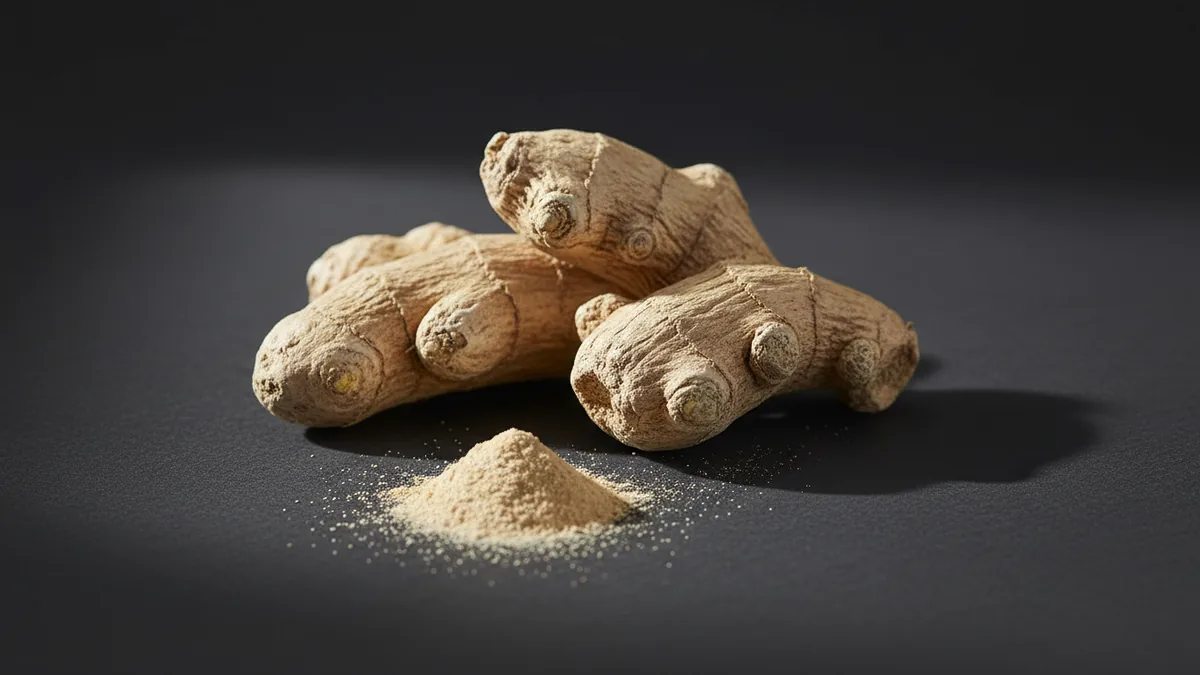
Maca is a root traditionally used for energy and libido, and a handful of small human trials do suggest a modest improvement in self-reported sexual desire. Importantly, the studies that measured hormones generally found maca did not change testosterone or estrogen — so any effect is not hormonal.
That makes it one of the more honest ingredients in a dishonest category: a possible small libido effect, no hormonal claims that hold up, and a decent safety record.
Reasonable to try for libido specifically, at a studied dose, without expecting anything hormonal. It's a supplement, not a treatment. Research on PubMed →
No. The trials that measured hormones found maca left testosterone and estrogen unchanged — and that is the honest part of its story, since some of the same trials still reported a small improvement in sexual desire. Whatever maca does, it is not doing it through your hormones.
The studied range sits around 1,500–3,000 mg a day. Products in the men's category often carry a token amount alongside a long list of other roots, which is a different product from the one that was tested.
A handful of small trials suggest a modest lift in self-reported desire. Small trials and self-reported outcomes are a soft foundation, which is why maca carries a C here rather than a B. A possible mild effect, at a real dose, with no hormonal claim attached — that is the whole offer.
Reviewed by the NFS editorial team · Educational only — not medical advice.