Independent supplement ratingsUS and Canada · Updated weekly

A ratings desk for a category that has spent thirty years grading its own homework.
A ratings desk for a category that has spent thirty years grading its own homework.
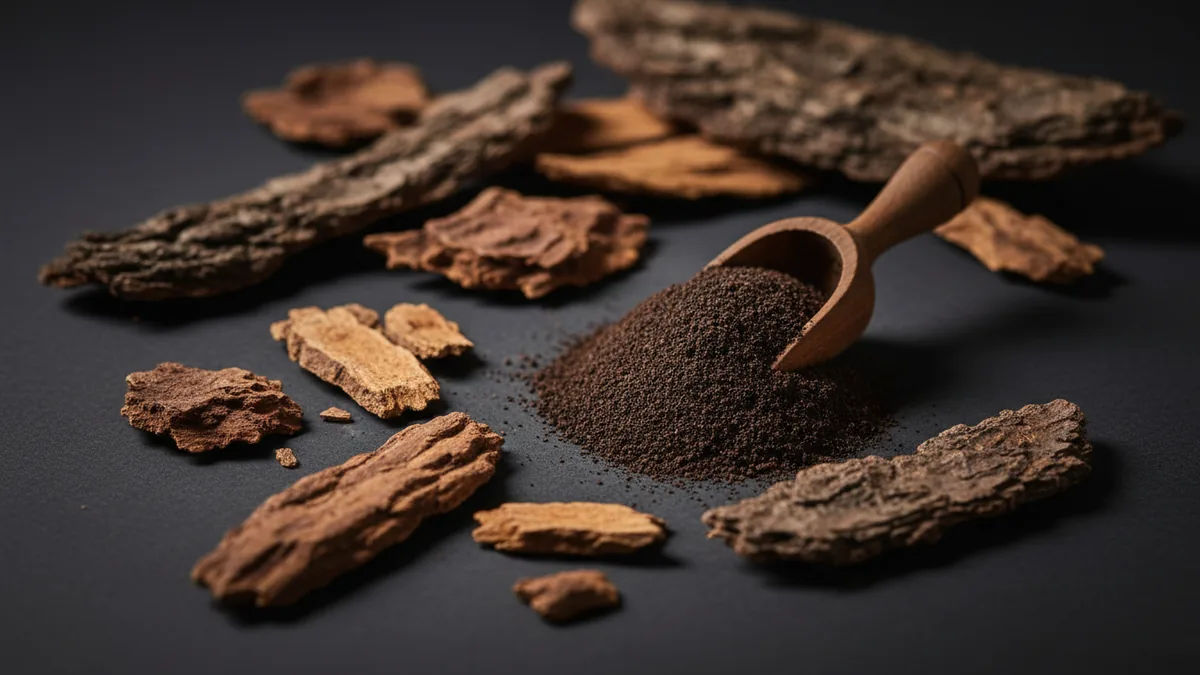
Tongkat ali has more human data behind it than most testosterone-booster ingredients, which isn't saying a lot. The studies are small and often in specific groups — stressed, older, or hypogonadal men — where a modest effect on testosterone or well-being sometimes shows up.
In healthy young men with normal hormones, the evidence that it meaningfully raises testosterone is thin. Quality also varies wildly between products, and dose and standardization are frequently undisclosed.
Treat it as promising-but-unsettled: reasonable to see on a transparent label at a studied dose, not a reason to expect a transformation. Research on PubMed →
Sometimes, in the men who had least to start with. The trials that reported a rise were run in stressed, older or hypogonadal men, and they were small. In healthy young men with normal hormones the picture is much weaker, and the results across studies disagree with each other. Treat a testosterone claim on a tongkat label as an open question rather than a finding.
The studied range is roughly 200–400 mg a day of a standardized extract. Two words there do the work: standardized, meaning the active fraction is measured rather than assumed, and extract, which is not the same as milled root. A product that lists neither is selling you a name.
The studies that found anything dosed daily for weeks, not days. Nothing in the research supports the idea of a same-day effect, so a product promising one is describing something the evidence has never shown.
The extract ratio or the standardization, and the milligrams of that extract per serving. Neither figure survives a proprietary blend, which is where this ingredient usually hides. Run the label through the Label Dose Checker before you pay for it.
Reviewed by the NFS editorial team · Educational only — not medical advice.